July 14, 2026
Commercial awnings are a fantastic way to elevate your business storefront, shield your customers from the elements, and give your building a fresh, welcoming look. Adding this type of shade structure can completely transform your curb appeal and make your property stand out from the competition. If you are curious about how these functional structures actually make it onto your building, you are in the perfect place to find out.
Performing The Initial Site Assessment
Before any tools come out of the box, professional teams visit your location to inspect the building facade. They want to get a complete understanding of the physical space before any manufacturing begins. This step allows commercial awning companies to check the structural integrity of the wall where the framework will hang. They look closely at the building materials, whether brick, concrete, or wood siding, to determine the exact hardware required for a secure fit.
During this walkthrough, precise measurements are gathered to make sure the final product matches your architectural dimensions perfectly. Having exact numbers prevents mistakes and guarantees a smooth workflow during the physical assembly phase. Technicians note any potential obstructions like outdoor lighting, security cameras, or signboards that might get in the way. They also check local zoning laws and setback requirements so everything complies with city codes right from the start.
This phase is all about gathering data and planning to avoid surprises later on. Knowing the exact layout beforehand keeps the entire project moving forward on schedule. By mapping out the space thoroughly, experienced awning companies can spot challenges before the physical labor begins. This careful look makes certain that the structure matches the building style and aligns with your visual goals perfectly.
Engineering The Structural Framework
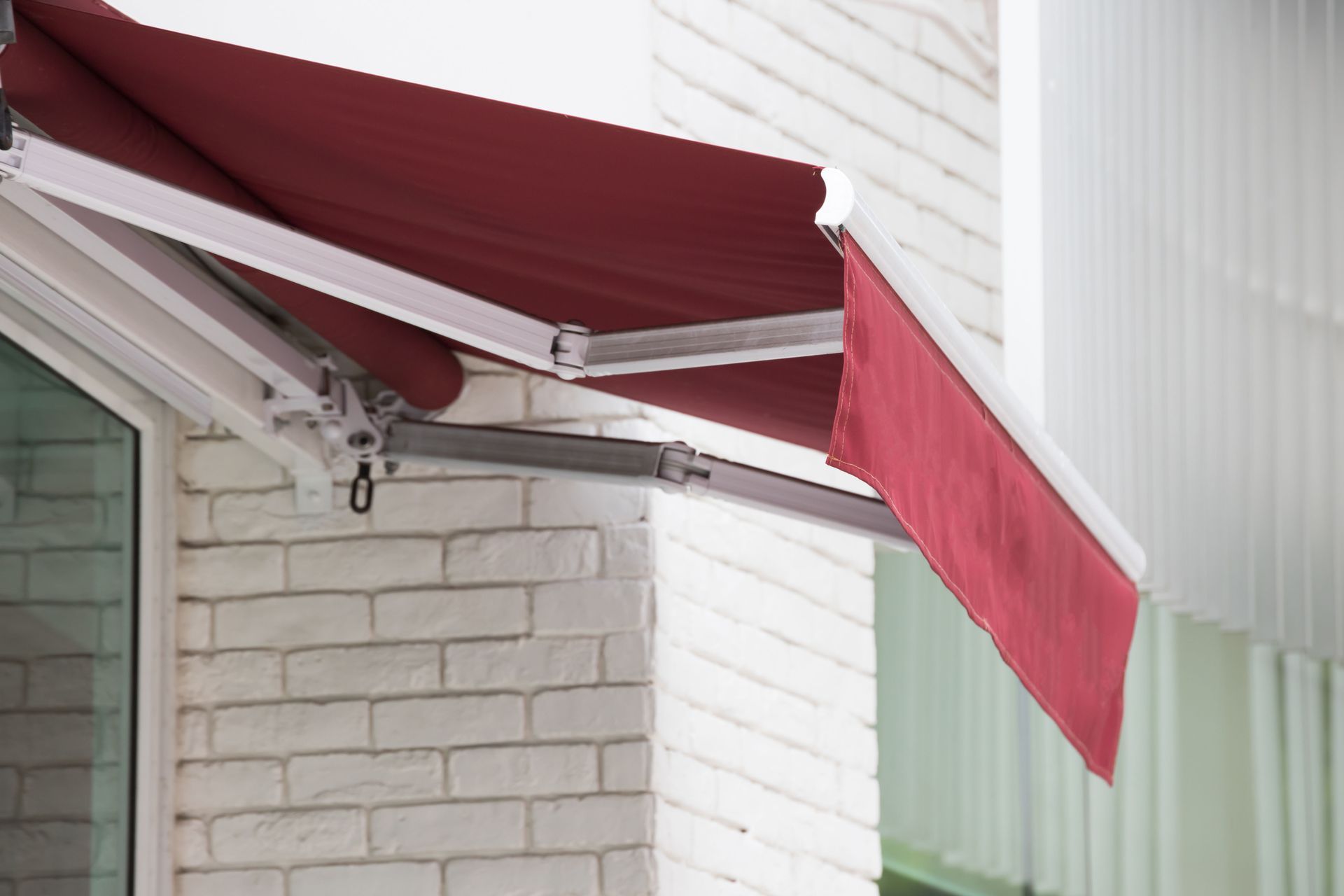
Once the site layout is clear, the focus shifts to creating a durable frame that can withstand daily wear and tear. A strong base is essential for keeping the product safe and stable throughout the changing seasons. Metal tubes, usually lightweight aluminum or sturdy galvanized steel, are cut, bent, and welded into the precise shape desired. This skeleton provides the essential support system that keeps the fabric taut and beautiful for years to come.
Engineers carefully calculate weight distribution and wind resistance during this phase to keep the structure stable. These calculations take local weather patterns and regional building safety regulations into account. According to Home Guide, awnings tend to tolerate winds up to 20 or 25 mph. Because of these natural forces, the frame must be welded with care and treated with protective coatings to prevent rust and corrosion over time.
While the metalwork is being finished, the fabric or cover material is cut and stitched to fit the frame snugly. High-quality textiles are selected to resist fading from sun exposure and damage from heavy rain. Skilled awning companies handle this process with incredible accuracy, stretching the material tightly to prevent sagging or water pooling. Once the cover is joined to the frame, the entire assembly is prepped for safe transport to your business.
Securing The Required Anchors
On the day of the physical setup, the crew starts by marking the exact placement holes on your building wall. This layout phase sets the foundation for the entire physical attachment process. They use specialized laser levels and measuring tapes to keep the alignment perfectly straight across the storefront. Once the layout is marked, heavy-duty drills create the pathways for the structural mounting brackets.
Choosing the right anchors is critical because the weight of the awning relies entirely on these attachment points. The wrong hardware could cause damage to your building's exterior or cause the frame to sag. For brick or concrete walls, heavy sleeve anchors or expansion bolts are utilized to grip the masonry tightly. If the wall is made of wood framing, long lag screws penetrate deep into the structural studs for maximum holding power.
Waterproofing these entry points is a key step that happens right as the brackets are tightened down. Preventing moisture intrusion protects your underlying property from long-term rot and structural decay. At this point, top-tier awning companies apply commercial-grade silicone sealant into every drilled hole before inserting the bolts to keep moisture out of your walls. This step protects your building exterior from water leaks while locking the structural anchors permanently into place.
Lifting The Assembled Structure
With the brackets firmly attached, the team prepares to hoist the heavy awning framework up to its final resting place. This is often the most visually impressive part of the entire afternoon for onlookers. Depending on the size and weight of the structure, this step often requires multiple technicians or specialized lifting equipment. Ladders, scaffolding, or mechanical lifts keep the crew safe while handling the bulky frame.
The team lifts the unit slowly and positions it carefully onto the pre-installed wall brackets. Taking things slow prevents accidental scratches to your freshly painted building exterior. Communication is vital during this moment, as workers on both ends coordinate to align the mounting holes precisely. Once aligned, temporary locking pins are inserted to hold the structure safely while the permanent hardware is tightened.
After the frame is resting on the brackets, the crew bolts the connections down with heavy-duty locking nuts. These double-checked attachments keep the framework locked down tight against sudden vibrations. Qualified awning companies use torque wrenches to make sure every single fastener is tightened to the exact specifications required. This careful approach keeps the unit completely stable and prevents any shifting or rattling during heavy gusts of wind.
Adjusting The Final Details
Now that the awning is securely mounted, the crew spends time fine-tuning all the small details for a flawless finish. A meticulous final check verifies that every single element looks crisp and professional. They inspect the entire fabric surface to smooth out any minor wrinkles or creases that occurred during transport. If the structure features a retractable design, they run the motor or crank through several cycles to confirm smooth operation.
Next, the team installs any finishing trim, decorative valances, or side curtains that complete the desired look. These extra touches add a layer of sophistication that truly pulls the entire design together. They check all the drainage points and water management channels to make sure rain flows away from your entrance properly. A final cleanup is done around the work area to remove all construction debris and packing materials from your property.
Before wrapping up the day, the technicians walk you through the proper operation and basic care of your new addition. Knowing how to maintain the product will extend its lifespan and keep it looking great. They show you how to clean the fabric safely and give you tips for managing seasonal weather changes. Relying on professional awning companies means you get a beautiful, functional upgrade that enhances your business frontage immediately.
The installation process is a detailed journey that transforms your business exterior from ordinary to extraordinary with ease. Investing in your storefront is one of the best ways to invite new clients through your front doors. From the first measurements to the final tightening of the bolts, every single step requires precision and expertise. Your finished awning will provide wonderful shade, comfort, and curb appeal for many years to come. Reach out to our professional team at Top Tier Awnings to get started on your commercial awning project.